PAUL TENTENA
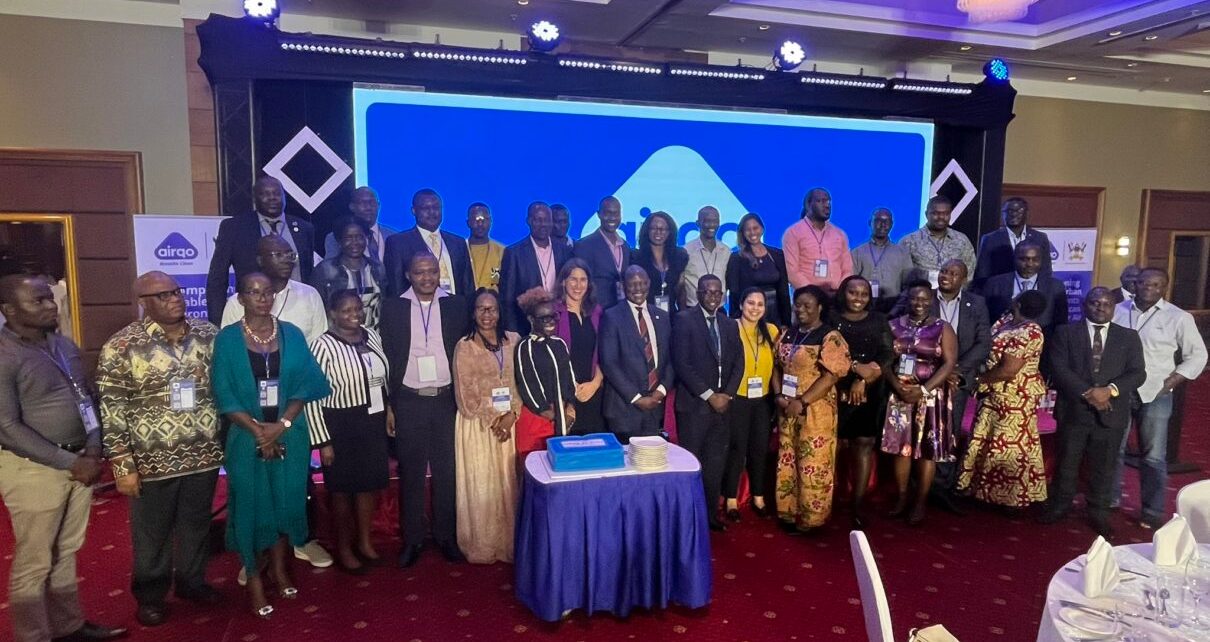
AirQo Project of Makerere University in partnership with the Air Quality Monitoring Research Group (AQMRG) from the University of Lagos and UrbanBetter Lab Innovation Africa from the University of Pretoria, have launched a clean air Africa network geared towards scaling up an evidence- informed approach to air quality management in Eastern, Central, and Western Africa Cities.
The network has brought together stakeholders and researchers in the air quality management sector from over 15 cities in Africa to advance knowledge and skills on how to utilise low-cost air quality monitors and other digital technologies to manage air quality.
The clean air Africa network will serve as a launchpad for Africa-led collaborations and partnerships to foster research and sustainable interventions in air quality management to achieve cleaner air across the
continent.
According to a Global Burden of Disease study, Approximately 1.1 million deaths per year have been linked to air pollution across Africa.
Air pollution has become the second-largest cause of death on the African continent,due in part to rapid urbanisation and industrialisation, yet according to air quality experts,the continent lacks the capacity to design and implement targeted interventions to tackle air pollution across African cities.
To effectively tackle air pollution, access to air quality data and contextual evidence is vital to show its scale and magnitude.
However, air pollution in many cities in Africa is under-monitored in part due to the high costs of setting up and maintaining a monitoring network, coupled with the expertise to process and
nalyse air quality data.
Speaking during the launch, Professor Engineer Bainomugisha, the AirQo Project Lead, and the consortium lead noted that bringing together air quality experts from across African Cities will advance skills and knowledge sharing on air quality management and how to use low-cost air quality monitors and digital technologies to close the existing air quality data gaps in Africa and enable access to air quality information.
“The clean air network will serve as an air quality hub championing clean air in our urban environments in Africa. Through these hubs, we hope to increase the understanding of low-cost air quality monitors and digital solutions and how they can be used as new approaches to air quality management in the African context,” said Prof Bainomugisha.
“Ultimately we want to increase awareness of air quality issues for better health outcomes in Africa. The cities will also come together to formulate a Clean Air Plan for African Cities that will guide the cities and researchers pathway to air quality management.”
Professor Barnabas Nawangwe, Vice Chancellor Makerere University noted that the clean air initiative is a timely intervention, as Makerere University seeks to consolidate its position as a research-led University and as the global
knowledge hub at the heart of Africa.
“ I urge the Government to support and fund scientific and technical research; grants to university or private-sector
researchers, and even tax incentives in order to spur growth in this sector,” said Nawangwe.
At the launch, the AirQo Project launched an air-quality mobile App, the first of its kind in Africa. Through the App, individuals can access air quality information from any part of monitored spaces in Africa.
Individuals across major cities including Accra- Ghana, Akwa-Wouri-Cameroon, Kisumu and Kitusuru-Kenya, Abuja-Nigeria, Jacros Addis Ababa-Ethiopia, Cairo & Sharm El-Sheikh-Egypt Ouagadougou-Bukina Faso and Pikine-Dakar and Uganda now have access to real-time air quality information.
“Individuals in these cities can now take action to minimise their exposure to high levels of air pollution while
authorities can use the same air quality information to manage air pollution in cities.
Through the Mobile App, one can access real-time and forecasted air quality information.